

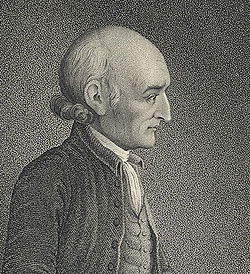
George Wythe
BIRTH
1726
Chesterville, Virginia
DEATH
June 8, 1806
Richmond, Virginia
Delegate to the Constitutional Convention (VA)
1787
Delegate to the Continental Congress (VA)
FAMILY
##
Wythe, George
(1726-1806)
George Wythe was a Virginia lawyer, judge, educator, and delegate to the Continental Congress. He signed the Declaration of Independence, helped shape Virginia's revolutionary government, and became an influential teacher of future American leaders, including Thomas Jefferson and John Marshall.

BIRTHPLACE:
MARKER
Wythe's Birthplace Marker
3700 Kecoughtan Rd, Hampton, VA 23669

HOMES:
MUSEUM
George Wythe House
101 Palace Green St, Williamsburg, VA 23185
10
WIFE
Ann Lewis Wythe
(1726-1748)
WIFE
Elizabeth Taliaferro Wythe
(c. 1739-1787)
Places | Image | Address | GPS | Site |
|---|---|---|---|---|
George Washington's Mount Vernon | 3200 Mount Vernon Memorial Hwy, Mt Vernon, VA 22121 | MUSEUM | ||
Colonial Williamsburg | 101 Visitor Center Dr, Williamsburg, VA 23185 | MUSEUM | ||
Virginia Capitol Building | E Duke of Gloucester St, Williamsburg, VA 23185 | MUSEUM | ||
Yorktown - Surrender Field | Historical Tour Road, Yorktown, Virginia, 23690, USA | MUSEUM | ||
Charlton's Coffeehouse | 429 E Duke of Gloucester St, Williamsburg, VA 23185 | MUSEUM | ||
George Wythe House | 101 Palace Green St, Williamsburg, VA 23185 | MUSEUM | ||
William & Mary Wren Building | Wren Bldg, 111 Jamestown Rd, Williamsburg, VA 23185 | MUSEUM | ||
Wythe's Birthplace Marker | 3700 Kecoughtan Rd, Hampton, VA 23669 | MARKER | ||
Carters Grove | 8797 Pocahontas Trail, Williamsburg, VA | MARKER | ||
St John's Church Marker | 2401 E Broad St, Richmond, VA 23223 | MARKER |
DIED:
Richmond, Virginia
Jun 8, 1806


George Wythe was born in 1726 at Chesterville plantation in Elizabeth City County, Virginia, the son of Thomas Wythe III and Margaret Walker Wythe. His father died when George was very young, and his mother became the central figure in his upbringing. Margaret was well educated for a colonial woman and reportedly taught him Latin and encouraged his reading. Wythe briefly attended the College of William and Mary but did not complete a degree. He studied law first under his uncle Stephen Dewey and then through extensive independent reading. His early progress was uneven; later tradition suggests that as a young man he participated in the sociable and sometimes dissipated life of Virginia gentlemen before adopting habits of intense study and discipline. He was admitted to the bar in 1746 and developed a practice in the Tidewater and Williamsburg. Legal work brought him into contact with land, debt, commerce, slavery, and the machinery of royal government. Wythe also learned Greek and deepened his knowledge of classical history and philosophy, eventually becoming one of the most scholarly lawyers in the colonies. His first wife, Ann Lewis, died within a year of their marriage. He later married Elizabeth Taliaferro, whose family connections and Williamsburg property provided stability. They had no surviving children. Wythe increasingly devoted himself to law, public service, and teaching younger men. Before becoming a signer of the Declaration and America’s first professor of law, Wythe had been shaped by paternal loss, instruction from an educated mother, incomplete college attendance, apprenticeship, self-correction, bereavement, and unusually deep independent scholarship. His experience convinced him that character could be cultivated through disciplined study. The contradiction between Virginia slavery and classical ideals of liberty also became increasingly important to him, contributing to antislavery actions later in life.
The available biographical record identifies George Wythe with work or public activity as a statesman. Those roles provide the clearest documented basis for including this person in the database and should be read in the political, military, professional, or household context of the period. George Wythe died on Jun 8, 1806 in Richmond, Virginia. Additional claims about employment, public service, or accomplishments have been omitted where the consulted source did not support them.