

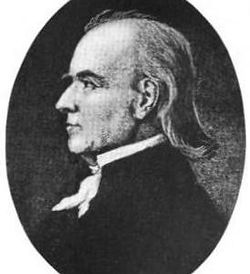
William Lenoir
BIRTH
May 8, 1751
Brunswick County, Virginia
DEATH
May 6, 1839
Caldwell County, North Carolina
FAMILY
##
Lenoir, William
(1751-1839)
William Lenoir was a North Carolina militia officer and Patriot who fought at the Battle of Kings Mountain in 1780. He later became a surveyor, legislator, and speaker of the North Carolina Senate.
1
Places | Image | Address | GPS | Site |
|---|---|---|---|---|
Fort Defiance Marker | 2012 Windswept Pl, Lenoir, NC 28645 | MARKER |
DIED:
Caldwell County, North Carolina
May 6, 1839


William Lenoir was born on May 8, 1751, in Brunswick County, Virginia, the youngest son of Thomas Lenoir and Mourning Crawley Lenoir. His family was of French Huguenot ancestry and belonged to the substantial but not aristocratic class of colonial farmers. When William was still young, the family moved south to eastern North Carolina, part of the steady migration of settlers seeking new land. Lenoir received little formal schooling, perhaps only a few months in a local school. He nevertheless developed a strong appetite for reading and taught himself through borrowed books. He studied arithmetic, surveying, history, and practical legal subjects while working within the family household. His clear handwriting and mathematical ability helped him find employment as a schoolteacher and surveyor. Surveying became especially important as settlement expanded westward. The work demanded accurate measurement, knowledge of terrain, endurance, and the ability to resolve conflicting land claims. Lenoir traveled into the North Carolina backcountry and became familiar with the upper Yadkin Valley, where he eventually acquired land and established a farm known as Fort Defiance. In 1772 he married Ann Ballard, and they began a large family. Marriage and property ownership rooted him in the developing community. He also served in local offices and militia roles, gaining trust through practical competence rather than inherited prestige. His household and later prosperity participated in the region’s system of slavery. Before becoming a Revolutionary officer, legislator, and namesake of a North Carolina city and county, Lenoir had been shaped by migration, scarce schooling, determined self-education, teaching, surveying, marriage, and backcountry settlement. His rise illustrates how literacy and technical skill could provide a path to leadership on the colonial frontier. The habits of independent study and careful recordkeeping formed in youth later made him an effective public administrator and presiding officer.
The available biographical record identifies William Lenoir with work or public activity as a soldier, statesman. Those roles provide the clearest documented basis for including this person in the database and should be read in the political, military, professional, or household context of the period. William Lenoir died on May 6, 1839 in Caldwell County, North Carolina. Additional claims about employment, public service, or accomplishments have been omitted where the consulted source did not support them.