

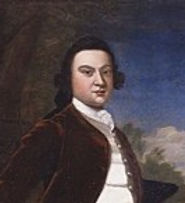
William Byrd III
BIRTH
Sep 6, 1728
Charles City, Virginia
DEATH
January 1, 1777
Charles City, Virginia
FAMILY
##
Byrd, William III
(1728-1777)
William Byrd III was a Virginia planter, soldier, and member of the House of Burgesses. A veteran of the French and Indian War and heir to Westover Plantation, his political and financial difficulties reflected the strains affecting Virginia's colonial elite before and during the Revolution.

HOMES:
MUSEUM
Westover Plantation
7000 Westover Road, Charles City, VA

3
WIFE
Elizabeth Hill Carter Byrd
(1731-1760)
WIFE
Mary Willing Byrd
(1740-1814)
Maria Horsmanden Byrd
(1652-1699)
Evelyn Taylor Byrd
(1766-1817)
Thomas Taylor Byrd
(1752-1821)
Charles Willing Byrd
(1770-1828)
Elizabeth Hill Byrd Skipwith
(1759-1819)
Francis Otway Byrd
(1790-1860)
Places | Image | Address | GPS | Site |
|---|---|---|---|---|
George Washington's Mount Vernon | 3200 Mount Vernon Memorial Hwy, Mt Vernon, VA 22121 | MUSEUM | ||
Colonial Williamsburg | 101 Visitor Center Dr, Williamsburg, VA 23185 | MUSEUM | ||
Westover Plantation | 7000 Westover Road, Charles City, VA | MUSEUM |
DIED:
Charles City, Virginia
Jan 1, 1777


William Byrd III was born on September 6, 1728, at Westover plantation in Charles City County, Virginia. He was the son of William Byrd II and Maria Taylor Byrd and heir to one of the colony’s richest and most politically influential families. His father was a planter, councilor, author, and founder of Richmond whose library, social ambitions, and extensive landholdings made Westover a center of Virginia gentry life. The estate’s wealth depended upon tobacco production and the labor of hundreds of enslaved people. Byrd’s mother died when he was young, and his father died in 1744, leaving the teenage William a vast inheritance and heavy expectations. He was educated in England, as his father had been, and absorbed the manners, tastes, and expensive habits of British aristocratic society. His education included classical subjects and preparation for the public and military roles expected of a gentleman, but his years abroad also encouraged a lifelong enthusiasm for gambling, horse racing, display, and elite sociability. Returning to Virginia, Byrd inherited Westover, enormous western claims, and responsibility for complex family finances. He married Elizabeth Hill Carter, daughter of the wealthy planter John Carter of Shirley, thereby joining two leading dynasties. Their marriage produced several children before Elizabeth’s death. Byrd later married Mary Willing of Philadelphia, connecting himself to another prominent mercantile family. Military service during the French and Indian War gave Byrd his first major public role. He commanded the 2nd Virginia Regiment and dealt with recruitment, frontier defense, and cooperation with British regular officers. Yet inherited wealth could not keep pace with his expenditures and losses. Gambling debts, falling tobacco returns, and the cost of maintaining Westover steadily weakened his position. Before his later political prominence and tragic death, Byrd had been shaped by extraordinary privilege, early parental loss, English schooling, dynastic marriage, plantation responsibility, military command, and a culture of conspicuous aristocratic consumption. Those forces gave him influence but also created the financial pressures that shadowed his adult life.
The available biographical record identifies William Byrd III with work or public activity as a planter, soldier. Those roles provide the clearest documented basis for including this person in the database and should be read in the political, military, professional, or household context of the period. William Byrd III died on Jan 1, 1777 in Charles City, Virginia. Additional claims about employment, public service, or accomplishments have been omitted where the consulted source did not support them.