

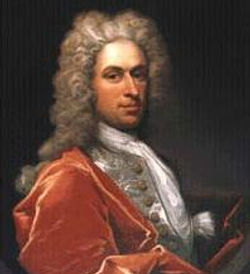
Thomas Lee
BIRTH
1690
Westmoreland County, Virginia
DEATH
November 14, 1750
Westmoreland County, Virginia
FAMILY
FATHER:

Hannah Lee Corbin
(1728-1782)
##
Lee, Thomas
(1690-1750)
Thomas Lee was a Virginia planter, colonial official, and president of the Governor’s Council. As a leader of the Ohio Company and father of prominent Revolutionary statesmen, he helped shape the political and western interests that influenced the revolutionary generation.
0
BROTHER

Ludwell Lee
(1760-1836)
WIFE

Hannah Harrison Ludwell
(1701-1750)
Alice Lee Shippen
(1736-1817)

Arthur Lee
(1740-1792)
Places | Image | Address | GPS | Site |
|---|---|---|---|---|
DIED:
Westmoreland County, Virginia
Nov 14, 1750


Thomas Lee was born about 1690 at Machodoc in Westmoreland County, Virginia, the son of Richard Lee II and Laetitia Corbin Lee. He belonged to a family already prominent in the Northern Neck. His grandfather, Richard Lee I, had established substantial landholdings and commercial connections, and the younger generations were expected to preserve and enlarge that position through plantation management, marriage, and public office. Thomas grew up within a large family whose wealth depended on tobacco, land, Atlantic trade, indentured labor, and slavery. His father died in 1714, and Thomas inherited property but not the largest share of the estate. As a younger son, he needed to build his own fortune. He received the practical education of a planter-merchant: reading, writing, accounts, law, surveying, crop management, and the careful use of kinship and credit. Lee proved exceptionally ambitious in land acquisition. He became involved in the Ohio Company and other western ventures, helping extend the family’s interests beyond the settled Tidewater. In 1722 he married Hannah Harrison Ludwell, a widow from another leading Virginia family. Their marriage united wealth and influence and produced children who included future revolutionary leaders Richard Henry Lee and Francis Lightfoot Lee. The couple established Stratford Hall after their earlier home at Machodoc was destroyed by fire. Lee’s public standing grew alongside his property. He served as a justice, burgess, naval officer, and member of the governor’s Council, eventually acting as president of that body and de facto governor. Before becoming the patriarch of a revolutionary dynasty, Thomas Lee had been shaped by inherited family prestige, the competitive position of a younger son, paternal loss, plantation commerce, strategic marriage, and speculative expansion. His success created the wealth, education, and network later available to his children. It also rested upon the forced labor of enslaved people, an essential contradiction within the family’s later language of political liberty.
The available biographical record identifies Thomas Lee with work or public activity as a statesman. Those roles provide the clearest documented basis for including this person in the database and should be read in the political, military, professional, or household context of the period. Thomas Lee died on Nov 14, 1750 in Westmoreland County, Virginia. Additional claims about employment, public service, or accomplishments have been omitted where the consulted source did not support them.