

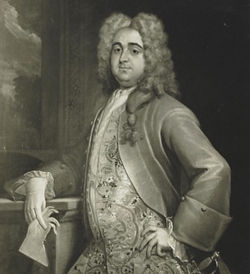
Lewis Burwell
BIRTH
1711
Gloucester County, Virginia
DEATH
May 6, 1756
Gloucester County, Virginia
FAMILY
##
Burwell, Lewis
(1711-1756)
Lewis Burwell was a prominent Virginia planter and officeholder who served as acting royal governor of Virginia from 1750 to 1751. A member of the colony’s powerful Burwell family, he lived at Carter’s Grove and helped shape the political and plantation society inherited by the Revolutionary generation.
0
WIFE

Mary Willis Burwell
(1714-1746)
Places | Image | Address | GPS | Site |
|---|---|---|---|---|
DIED:
Gloucester County, Virginia
May 6, 1756


Lewis Burwell was born in 1711 in Gloucester County, Virginia, the son of Lewis Burwell and Martha Lear Burwell. He belonged to one of the colony’s wealthiest and most established planter families. The Burwells held extensive properties in the Tidewater and had intermarried with other influential households. Lewis inherited a world of plantations, county authority, Anglican worship, and Atlantic tobacco commerce sustained by enslaved labor. His father died while Lewis was still young, making guardianship and extended family important in his upbringing. He received the private education expected of a major heir, including reading, writing, arithmetic, law, religion, riding, and estate management. Some elite Virginia sons were sent abroad, but the precise details of Burwell’s schooling are not consistently preserved in brief biographies. When he came of age, Burwell assumed control of substantial lands, including the property associated with Carter’s Grove. Managing such holdings required oversight of crops, warehouses, accounts, tenants, and enslaved workers. He married Mary Willis, strengthening his place within the network of Tidewater families, and they raised children who inherited both property and social obligations. Burwell’s wealth and family name led naturally into public service. He served in the House of Burgesses and later on the governor’s Council. In 1750, as the Council’s senior member, he became acting governor of Virginia following the departure of Governor William Gooch and before the arrival of the next royal administrator. Before holding the colony’s highest office, Burwell had been shaped by early paternal loss, elite guardianship, plantation inheritance, marriage, and gradual advancement through county and colonial institutions. He was not famous for dramatic military action or political theory. His authority came from the quieter mechanisms of colonial oligarchy: land, family, credit, slavery, Anglican respectability, and long service. These forces made him representative of the governing class that the revolutionary generation would both challenge and inherit.
The available biographical record identifies Lewis Burwell with work or public activity as a planter, statesman. Those roles provide the clearest documented basis for including this person in the database and should be read in the political, military, professional, or household context of the period. Lewis Burwell died on May 6, 1756 in Gloucester County, Virginia. Additional claims about employment, public service, or accomplishments have been omitted where the consulted source did not support them.