

Eleanor Ball Laurens
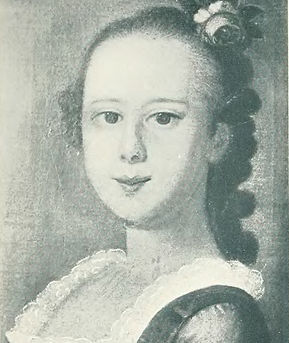
(1731-1770)
BIRTH
1731
PLACE
Charleston, South Carolina
NAME
Eleanor Ball
DEATH
1770
PLACE
Charleston, South Carolina
FAMILY

HUSBAND
Henry Laurens
(1724-1792)
HOMES
RELIGIOUS VIEWS
RELIGION NOT DOCUMENTED
DENOMINATION NOT DOCUMENTED
MEMBERSHIPS
AWARDS
Eleanor Delamare Ball Laurens (1731–1770) grew up in South Carolina’s rice-plantation society. She was the daughter of Elias Ball and Mary Delamare and married merchant Henry Laurens in 1750. Of her twelve children, four survived childhood, including Revolutionary officer John Laurens and writer Martha Laurens Ramsay. She died weeks after giving birth to Mary Eleanor. Her family’s wealth rested on plantations and commerce sustained by enslaved labor.
EARLY LIFE
The exact date and place of Eleanor Ball Laurens’s birth have not been established in the source used for this entry. The surviving biographical summary provides only limited evidence about childhood, schooling, and the daily circumstances of the household, so those details are not reconstructed here without documentation. What can be stated securely is that this person belonged to the interconnected family world from which HistoryGPS traces participants, relatives, and later descendants of the Revolutionary generation.
No distinct public profession or office for Eleanor Ball Laurens is established by the source summary used for this entry. The surviving record is primarily genealogical and documents family identity rather than an independent public career. Additional claims about employment, public service, or accomplishments have been omitted where the consulted source did not support them.
CAREER
DEATH
Eleanor Delamere Ball Laurens died in 1770, approximately one month after giving birth to her last child. Married to Henry Laurens since 1750, she had borne a large family and experienced the deaths of several children. The close interval between the final delivery and her death is the central documented circumstance of her last weeks. It does not by itself establish a particular obstetric complication, nor show whether she had an infection, hemorrhage, or another illness. The family account should therefore be read as a chronology rather than as a modern medical diagnosis. Her death left her husband with surviving children whose education and care subsequently shaped his decisions, including taking their sons to England. Those later movements belong to the aftermath of her loss. The source link resolves to Henry's biography, so his death in 1792 and his own medical experiences are not part of Eleanor's story. Her final days remain only briefly described, and no reliable account of treatment, attendants, or last words has been established.
Laurens Family Cemetery
Mepkin Abbey Rd, Moncks Corner, SC 29461

GRAVE

POPULAR BIOGRAPHIES
100130